Build Your Coconut Bowl RFQ
Tell us what you need to import. We reply on WhatsApp with options and an indicative FOB quote, and route your RFQ to a vetted Indonesian maker. We are an independent sourcing desk — figures are estimates confirmed by the supplier.
Pricing by quote, no obligation. MOQ, FOB price and lead time confirmed by the supplier. We coordinate vetted makers; referral disclosure applies.
What We Source
Genuine Indonesian coconut bowls and tableware — upcycled from shell waste, sanded and polished, finished food-safe. We curate verified makers across Bali and Java so boutiques, importers and private-label brands get the right product, not the cheapest claim.
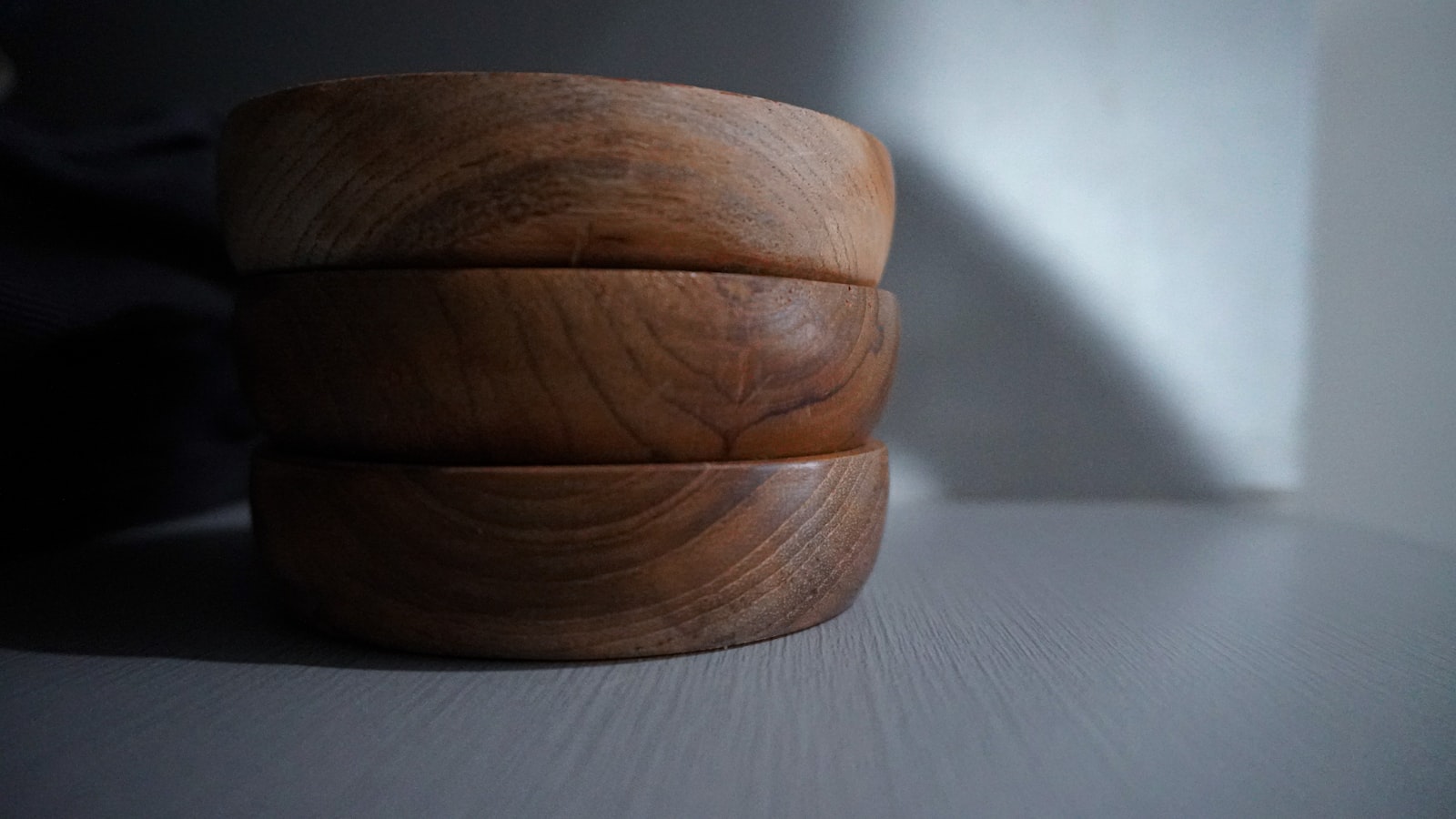
Wholesale Coconut Bowls
Browse wholesale →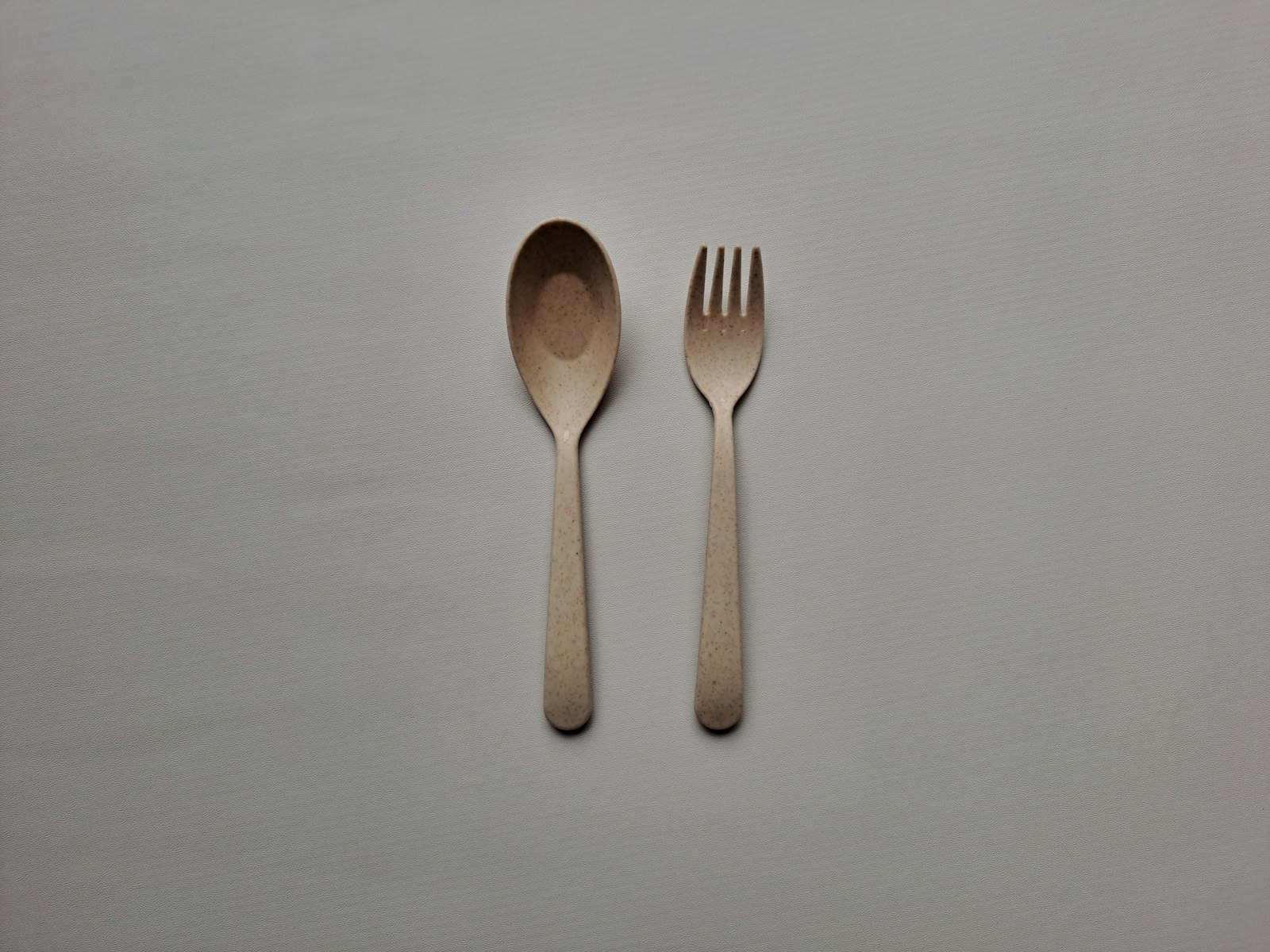
Spoons & Sets
See sets →
Private Label / OEM
Brand it yours →
Food-Safe Finish
Finish options →Sourcing With Confidence
Export-ready answers before you commit — freight, quality control, indicative FOB ranges and samples. Figures vary by spec and are confirmed by quote: MOQ typically runs in the hundreds to thousands of units, FOB is priced per unit, and sea freight ships in containers with lead times measured in weeks.
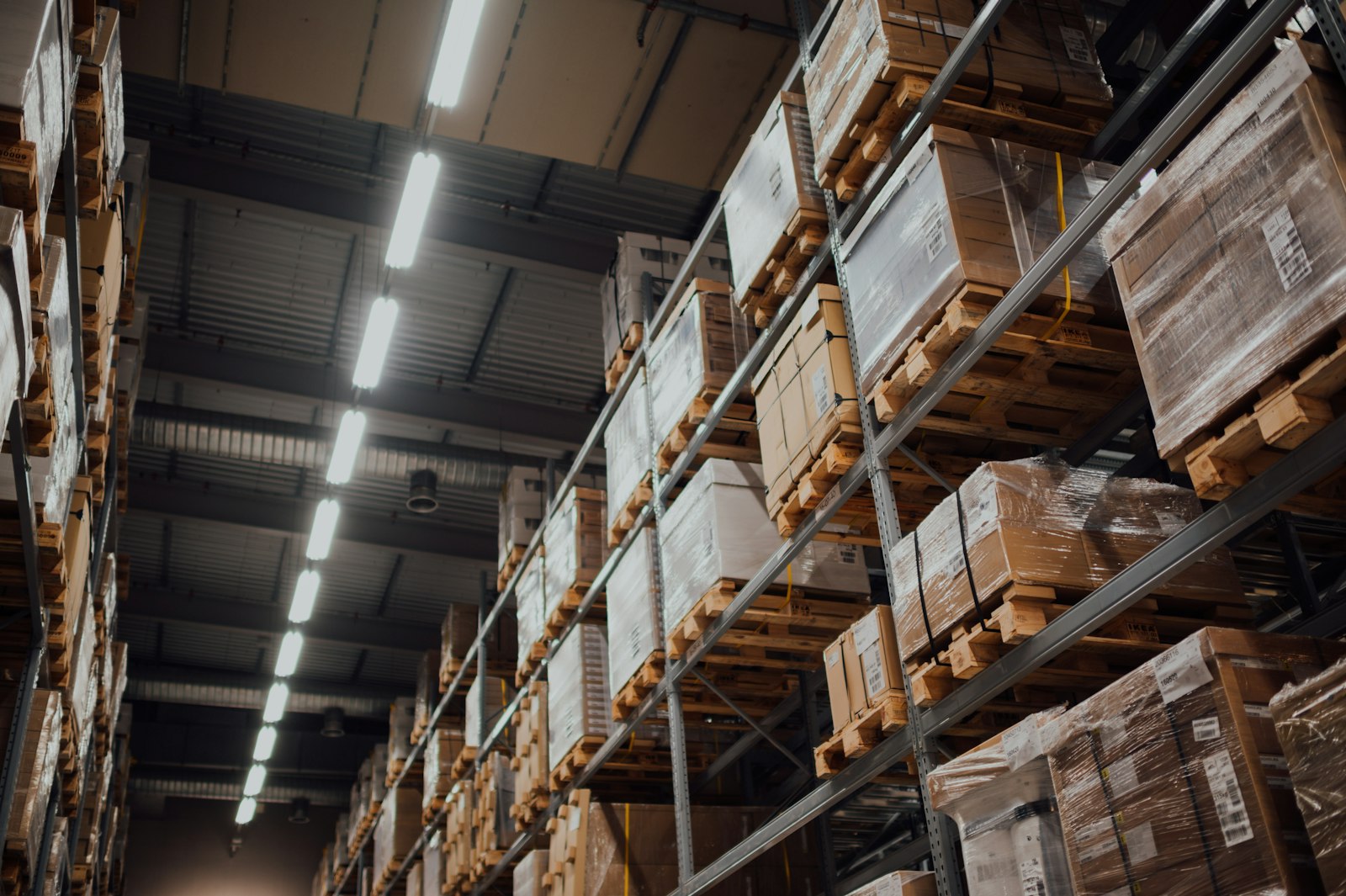
Export & Freight
How export works →
Quality Control
Our QC checks →
FOB Price Guide
See pricing →
Sample Orders
Order a sample →Why Coconut Bowls Supplier
Independent Sourcing
We are a B2B sourcing desk, not a manufacturer, exporter-of-record or freight forwarder. We curate verified makers and route your RFQ to a vetted partner — referral disclosure applies.
Vetted Makers
We connect you to checked Bali and Java workshops — consistent sizing, clean finish and reliable capacity — not a random marketplace listing.
Honest Pricing
FOB per-unit and MOQ are quoted, not guessed. We share indicative ranges, then a vetted partner confirms your exact spec, volume and finish.
Export-Smart Logistics
FCL and LCL container loading, food-contact safety considerations (FDA/LFGB) and documentation — verify with your supplier and customs broker. Trade information, not advice.
From Spec to Shipment
How a quote works.
Tell us your spec
Product type, target MOQ or volume, food-safe finish and destination market — wholesale or private-label.
Curated maker shortlist + indicative FOB
We come back with a shortlist of vetted makers, an indicative FOB per-unit range, realistic lead times and export notes for your country.
We arrange via vetted partner
Your order is produced and shipped through a vetted partner; you receive samples, documentation and a confirmed quote. We coordinate; they produce.
A coconut bowls supplier is a manufacturer, exporter, or sourcing intermediary that sells coconut shell bowls in wholesale quantities for resale, food service, or private-label branding. This site is none of those three things. We are an independent Indonesia coconut-bowls sourcing and trade-information desk — we research the category, publish honest numbers that factories routinely decline to disclose, curate verified makers, and route qualified RFQs to a vetted production partner, disclosing that referral relationship openly so you can weigh it before you reach out.
What to Expect on Price and MOQ
Our team works with coconut-bowl makers across Bali and Java, and we recommend buyers budget against real, supplier-reported ranges rather than headline figures. As a guide, plain bowls typically quote around USD $0.50–$1.50 per piece FOB, polished or lacquered bowls around USD $0.80–$3.00, and bowl-and-spoon gift sets around USD $1.50–$3.50 per set. Minimum order quantities usually start near 100–300 pieces for standard items and 200–500 for custom or private-label runs. A single 20ft container holds roughly 30,000–45,000 bowls and a 40ft high-cube around 70,000–100,000, which is why per-unit FOB drops as volume rises. Every figure here is a market-typical range to plan with — your binding price, MOQ and lead time come only from a maker’s pro-forma invoice against your exact spec. According to FAO production data, Indonesia is the world’s largest coconut producer, which keeps raw shell supply deep and pricing competitive.
We do not manufacture. We are not an exporter-of-record or a freight forwarder. The goods are produced by independent third parties we do not control. What we do is fill a specific gap: every page-one result in this category right now is a factory selling its own line. Vietnam and Kerala dominate those results. None of them publish tiered FOB ladders, explain real MOQ logic, or discuss why Indonesia — the world’s single largest coconut producer — is nearly absent from the category online. That absence is what this desk is built to address.
What You Will Find Here
This homepage is the routing hub for a set of pillar guides covering every decision a wholesale buyer needs to make before placing an order. Each guide marks what is verified versus what is supplier-reported or drawn from marketplace listings. Numbers are published as by-quote ranges, not invented quotes. Trade, customs, and compliance content is information to confirm with your own licensed broker and the relevant authorities — never advice.
- Wholesale Hub — who buys in bulk, how the buyer journey works, what distinguishes a real wholesale relationship from a DTC reseller program
- Bulk & MOQ Guide — why minimum order quantities exist for a handmade shell product, and how they shift with finish, branding, and carton pack-out
- Pricing & FOB Cost — honest, tiered unit-price ranges by finish type; what drives price; the difference between FOB and landed cost
- Coconut Spoons & Sets — companion cutlery, 2/4/6-pc gift sets, bundle economics, and smoothie-cafe vs gift-retail configurations
- Private Label & OEM — laser engraving, custom packaging, MOQ uplift per branding method, and artwork handoff reality
- Packaging & Branding — bulk carton vs retail-ready presentation, how packaging cuts container counts, FBA prep considerations
- Sample Ordering — stock samples vs pre-production OEM samples, costs, timing, and how to evaluate what arrives
- Export & Incoterms — EXW vs FOB vs CIF explained for this product, container loading math, transit-time ranges
- Lead Times & Production — realistic production scheduling, what cannot be rushed without risking defects, and how to build a true time-to-shelf estimate
- Payment Terms — T/T deposit structures, L/C at sight, small-order rails, and how to align payment to inspection milestones
- Food-Safe Finish & Certifications — the FDA 21 CFR and EU 1935/2004 frameworks, LFGB as a stricter benchmark, oil-only vs lacquer finish trade-offs
- Quality Control & Defects — the real causes of cracks, mold, odor, and peeling; AQL sampling; why these bowls are hand-wash only
- How They Are Made — shell selection, halving, drying, sanding grit progression, and finish application from the workshop floor
- Sustainability & Sourcing — an honest audit of upcycled, biodegradable, plastic-free, and zero-waste claims
- Indonesia vs Vietnam — production-scale reality, handicraft-cluster differences, and why the sourcing decision belongs at the supplier level, not the country level
- Coconut vs Bamboo & Wood — material comparison by durability, heat limits, aesthetics, size constraints, and retail use-case fit
- FAQ — rapid answers to the twelve questions every new buyer asks, with links to the deep guides
The Market Gap This Desk Fills
Search any combination of “coconut bowls wholesale” or “coconut shell bowls sourcing” and the page-one results are factory pages out of Vietnam and Kerala, with a handful of DTC consumer brands. The factory pages quote a single price that evaporates the moment you send an inquiry. None publish tiered FOB ladders. None explain what pushes MOQ from 100 to 500 pieces. None discuss food-safety compliance beyond the phrase “food safe coating.” None mention Indonesia.
That is not a minor omission. Indonesia is, by FAO-based production data for 2022 through 2024, the world’s largest coconut producer — approximately 17.1 to 17.2 million metric tons annually. Vietnam sits at around 1.9 to 2.0 million metric tons, placing it roughly sixth or seventh globally. Indonesia has year-round harvests, an established handicraft export ecosystem across Bali and Java, and established logistics infrastructure for small-to-mid container shipments. That it barely appears in sourcing search results is a market-information failure, not a supply failure.
Vietnam’s Ben Tre / Mekong Delta cluster is highly concentrated in coconut-based handicrafts and currently dominant in search because factories there understood SEO first. But no product-level trade statistics isolate “coconut bowls” specifically, which means any per-country cost or quality edge cannot be verified from aggregate data alone. Evaluate per-supplier. That is why an independent desk focused on Indonesia — grounded in verified facts rather than one factory’s catalogue — has a clear opening.
Honest Numbers: What We Publish and How to Read Them
The single most useful thing this desk does is put numbers on the table that factory pages keep off. Here is how to read every figure on this site.
- Unit price ranges
- Published as supplier-reported, marketplace-observed brackets. Plain / natural bowls run roughly $0.50 to $1.50 per piece at quantities of 100 to 1,000 units, based on observed marketplace listings. Very small orders can reach $2.00 per piece. Polished, lacquered, or colored bowls are typically $0.80 to $3.00 per piece. Bowl and spoon sets run approximately $1.50 to $3.50 per set, with decorative gift-boxed configurations up to roughly $5.00 per set. None of these are fixed quotes. Confirm every number with a pro-forma invoice from the actual maker.
- MOQ ranges
- Observed marketplace listings show minimums from approximately 6 pieces for accessory items, around 100 pieces for plain natural bowls, around 150 pieces for polished or Vietnam-origin bowls, with a modal band of 100 to 300 pieces for most standard configurations. Custom branding or packaging typically pushes the minimum to 200 to 500 pieces. All supplier-reported; verify with the maker before ordering.
- Container loading
- For nested bowls of approximately 12 cm diameter packed in polybag plus master carton: a 20-foot container holds roughly 30,000 to 45,000 bowls; a standard 40-foot holds approximately 60,000 to 85,000; a 40-foot high cube approximately 70,000 to 100,000. Individually retail-boxed units reduce those figures by 30 to 50 percent. These are engineering estimates — request the supplier’s actual carton packing plan.
- Production lead times
- Supplier-practice estimates: roughly 15 to 30 days for orders in the 100 to 2,000-piece range; 30 to 45 days, sometimes up to 60, for large or heavily customized orders involving hand-painting, engraving, or custom packaging. Repeat orders tend to run shorter. These are market-typical figures, not contractual commitments.
- Sea freight transit
- Port-to-port shipping-lane estimates: Indonesia to US West Coast approximately 3 to 4 weeks; to US East Coast 5 to 7 weeks; to European ports 4 to 6 weeks. Add 1 to 2 weeks for stuffing, congestion, customs clearance, and inland delivery. Vietnam is roughly half a week faster to US West Coast than Indonesia, which matters for buyers optimizing reorder cycles.
No independent, audited trade-statistics source exists for coconut bowl pricing or volume. Every figure above is supplier-reported or derived from marketplace observation. We flag where a number is from a single listing versus a broader market band. No figure on this site is an invented quote or a guaranteed offer.
Indonesia as a Coconut Shell Bowls Sourcing Origin
The coconut shell itself starts as a byproduct. After coconuts are processed for water, meat, milk, oil, or copra, the hard brown shells — from mature coconuts, not young green ones — are the raw material. The claim that these shells are upcycled agricultural waste is plausible and consistent with how processing operations in Bali and Java run. Whether a specific supplier sources exclusively from waste shells or supplements from dedicated harvest is a question that requires feedstock documentation to answer, not a marketing page to assert.
Indonesia’s handicraft export infrastructure is real. Denpasar and Surabaya are established freight departure points. Artisan workshops across Bali and Central Java produce coconut-shell tableware alongside rattan, bamboo, teak, and silver work. A verified coconut bowl supplier from Indonesia tends to be embedded in a broader handicraft manufacturing context, which means both wider product-range flexibility and the challenge that bowls may be one line among many rather than the factory’s core specialization. That is why independent vetting — asking the right questions about shell-sorting, drying time, finish chemistry, and QC tolerances — matters more than geography.
Ready to get a shortlist of verified makers? Use our enquiry form or message us directly on WhatsApp at +62 811 3941 4563.
Food Safety: The Information Gap Competitors Ignore
“Food safe” appears on nearly every coconut bowl listing. The phrase means nothing without documentation.
No coconut-shell-specific food-contact regulation exists in either the United States or the European Union. Safety is established by the composition of the bowl and its coating passing accredited migration tests — not by the material being natural, and not by a BPA-free badge. BPA is associated with polycarbonate and epoxy can-linings, not with coconut shell; putting “BPA-free” on a coconut bowl is technically correct and almost entirely uninformative about actual food safety.
The relevant frameworks are US FDA provisions under 21 CFR for indirect food additives, EU Regulation (EC) 1935/2004 governing all food-contact materials, EU 10/2011 for plastic coatings specifically, and Germany’s LFGB standard as a stricter benchmark that includes sensory odor and taste testing alongside heavy-metal migration checks. Importers selling into the German market or larger EU retailers typically require LFGB-tested products backed by accredited lab reports and a Declaration of Compliance.
The finish type is where the real risk sits. A coconut-oil-only finish — refined coconut oil or food-grade mineral oil, sometimes with beeswax — is itself food, penetrates the shell rather than forming a film, and is genuinely more compatible with food-contact use. It needs periodic re-oiling and offers limited water resistance. A film-forming lacquer, polyurethane, or epoxy coating gives better durability, but generic hardware-store lacquer is not food-safe. “Food-grade lacquer” is a marketing term, not a certified category, unless it is backed by a documented food-contact-compliant coating formulation and a migration test report. Our food-safe finish and certifications guide works through each framework and what importers should demand in writing.
Quality Control: The Defects Suppliers Do Not Mention
Coconut bowls are handmade from a natural material that varies by tree, harvest season, and processing method. The most common defects have specific, preventable causes.
Cracks and splitting almost always trace back to incomplete drying before finishing, cutting impact, or thermal shock. Cracks typically initiate at the rim, which is the thinnest part of the shell. Warping results from uneven drying or exposure to repeated wet-dry cycles after delivery. Odor — a persistent complaint in online reviews of consumer coconut bowls — comes from three sources: residual coconut meat or oil not fully removed, rancid finishing oil, or solvent smell from an uncured or non-food-grade lacquer. Germany’s LFGB sensory test can fail a bowl purely on odor grounds regardless of its chemical migration results.
Coconut bowls are not dishwasher safe and not microwave safe. The dishwasher’s heat cycle runs at 60 to 70 degrees Celsius, soaks the shell in detergent water, and introduces thermal shock — all three are mechanisms for cracking, warping, and stripping the finish. Microwave heating creates localized hot spots that stress the shell and the coating simultaneously. Hand-wash only, no soaking, no harsh detergents.
There is no public, audited defect-rate dataset for this product category. Anecdotal figures from small producers suggest incoming shell rejection of roughly 5 to 20 percent and post-processing scrap of 3 to 10 percent — context figures, not verified benchmarks. Specify AQL sampling levels and explicit tolerances for cracks, warp, color variation, and minimum finish thickness in your purchase contract before production begins. Our quality control guide covers how to structure those contract terms and what to inspect in a pre-shipment check.
Private Label and OEM: What Is Actually Possible
Custom branding on coconut bowls is more accessible than most buyers expect and more constrained than some Instagram posts suggest. The realistic options, roughly in order of MOQ impact:
Laser engraving is the most direct method — the shell takes a permanent, accurate mark. Single-color logo designs work well on a curved, naturally matte surface. Highly detailed full-bleed artwork does not translate cleanly. Screen printing and applied labels or hang tags are alternatives with different durability trade-offs. Custom packaging — kraft sleeves, gift boxes, branded inserts, barcoded retail-ready cartons — is often lower-MOQ than changing the bowl itself and has more design flexibility. Custom shapes or molds carry the highest MOQ and tooling costs and are rarely practical for initial orders.
Custom branding almost always raises the minimum order compared to plain stock. Request separate MOQ quotes for: plain bowl stock, laser-logo on existing shape, custom retail packaging, and full OEM with both engraving and packaging. The uplift per tier varies by maker. Our private-label and OEM guide explains the artwork handoff process and what to include in the OEM brief to get an accurate first quote.
Sustainability Claims: The Honest Version
The eco positioning on coconut bowls is heavily marketed and lightly verified. A realistic reading of the common claims:
Upcycled agricultural byproduct — plausible. Shells left after water, meat, oil, and copra processing are a genuine waste stream. Whether a specific supplier sources exclusively from that stream is verifiable with feedstock documentation, not from a product page. Biodegradable — true for untreated or oil-only finished shell in the right environment; significantly less true or false for shells finished with lacquer, varnish, resin, or synthetic sealants. Finish chemistry changes the end-of-life story completely. Zero waste — promotional language; the bowl requires harvesting, transport, cutting, sanding, finishing, and packaging, none of which is zero-cost to the environment. Plastic-free — only valid if no plastic appears anywhere in the product or its packaging, including polybags, tape, labels, adhesives, and the finish itself. Check all of these, not just the bowl.
For values-driven buyers sourcing for zero-waste retail or eco ecommerce, our sustainability guide provides defensible language and the documentation requests to make to a maker before listing any eco claim in your own marketing.
How This Desk Works
We publish editorial sourcing research. We read factory pages, marketplace listings, trade reference materials, and primary sources, then mark what is verified versus what is supplier-reported or drawn from marketing language. We flag uncertainty rather than paper over it. We do not invent supplier names. We do not fabricate certifications, prices, or maker shortlists.
When a buyer is ready for a curated maker shortlist or wants to start a real quote process, we route that request to a vetted production partner in Indonesia. If you proceed with that partner, they may pay us a referral fee at no extra cost to you. We disclose that arrangement here, plainly, so you can factor it into how you read this desk.
We are not a booking engine. We do not take payment for goods. We do not confirm shipments or issue export documents. Any FOB price discussed before a pro-forma invoice is issued is a by-quote range, not a binding offer. HS classification and import duty rates depend on your destination country’s customs authority, your exact product configuration, and your licensed customs broker’s guidance — not this desk.
Starting a Sourcing Enquiry
Buyers who want a curated shortlist or a real quote can reach the desk two ways: via our enquiry form, or directly on WhatsApp at +62 811 3941 4563, or by email at [email protected]. For the fastest response, include your target product (plain, polished, sets, or OEM), approximate quantity, finish or food-safety requirements, destination country and Incoterm preference, and any branding needs. We respond within one business day, Indonesia time (WIB, UTC+7).
If you prefer to research independently first, the guides above cover every topic. The FAQ is the fastest entry point for first-time buyers. The pricing guide and export and Incoterms guide are the most referenced pages by importers who have already identified a product and are costing a shipment.
Frequently Asked Questions
What is the minimum order quantity for coconut bowls from Indonesia?
Based on marketplace observation, the modal MOQ band for plain natural coconut bowls is approximately 100 to 300 pieces per SKU. Plain unfinished bowls can have minimums as low as 100 pieces; polished or lacquered bowls are often 150 to 300 pieces. Custom branding via laser engraving, custom packaging, or OEM sets typically pushes the minimum to 200 to 500 pieces. All these figures are supplier-reported and must be confirmed with the specific maker via pro-forma invoice — they are not universal rules.
What does a coconut bowl cost wholesale from Indonesia?
Market-typical FOB unit prices, based on marketplace listings and supplier-reported data: plain or natural-finish bowls run roughly $0.50 to $1.50 per piece at quantities of 100 to 1,000 units. Polished, lacquered, or colored bowls are approximately $0.80 to $3.00 per piece. Bowl-and-spoon gift sets run about $1.50 to $3.50 per set, with decorative gift-boxed versions reaching around $5.00. No independent, audited source exists for coconut bowl pricing — every figure should be confirmed by pro-forma invoice from the actual supplier before you commit to an order.
Are coconut bowls really food safe, and what certification should I ask for?
No coconut-shell-specific food-contact regulation exists in the US or EU. Safety depends on the bowl’s coating composition passing migration tests under the applicable framework — 21 CFR for the US, EU Regulation 1935/2004 for Europe, with LFGB as a stricter German benchmark that includes sensory odor and taste testing. The right documentation to request is an accredited-lab migration test report plus a Declaration of Compliance. “BPA-free” and “food-grade lacquer” are marketing labels, not legal certifications. An oil-only finish (refined coconut oil or food-grade mineral oil) avoids the coating compliance question but needs periodic re-oiling and is not dishwasher safe. This is information to verify with the destination market’s food-contact authority and your own consultant — not advice.
Can I put my brand logo on coconut bowls, and what does that involve?
Yes, private-label and OEM options are widely available from Indonesian makers through a vetted partner. Laser engraving is the most common method — it leaves a permanent mark and works well with clean, single-color logo designs on a curved shell surface. Screen printing and hang tags are alternatives. Custom packaging (kraft sleeves, gift boxes, branded inserts) is typically available at lower MOQ than the bowl engraving itself. Custom branding almost always raises the minimum order versus plain stock; the uplift varies by maker and by the scope of customization. Request separate MOQ quotes for plain stock, laser-logo-only, custom packaging, and full OEM. Confirm the artwork format the maker requires (vector files, single-color designs) before sending samples.
Is Indonesia a better sourcing origin than Vietnam for coconut bowls?
Indonesia is the world’s largest coconut producer by volume — approximately 17.1 to 17.2 million metric tons annually based on FAO data for 2022 through 2024, compared to Vietnam’s approximately 1.9 to 2.0 million metric tons. Indonesia has an established handicraft export ecosystem across Bali and Java, year-round harvest, and logistics infrastructure for container shipments from multiple ports. Vietnam’s Ben Tre cluster is smaller by raw material volume but highly specialized in coconut handicrafts and currently dominant in English-language search results. No product-level trade statistics isolate “coconut bowls” separately from wider handicraft categories, so a per-country cost or quality edge cannot be verified from aggregate data. The right comparison is per-supplier, not per-country — finish quality, drying protocol, QC documentation, and the maker’s responsiveness matter more than the flag on the shipping container.