Independent sourcing note: Coconut Bowls Supplier is an independent B2B sourcing desk — we are not a manufacturer, exporter of record, or freight forwarder. We curate verified Indonesian coconut-bowl makers (Bali & Java) and route your RFQ to a vetted production partner. MOQs, FOB prices, and lead times shown are indicative ranges [VERIFY by quote]. Food-contact compliance (e.g. FDA / LFGB) for US/EU import must be confirmed with the supplier and your own customs broker — this is general trade information, not legal, customs, or compliance advice. We may earn a sourcing commission on referred orders (referral disclosure).
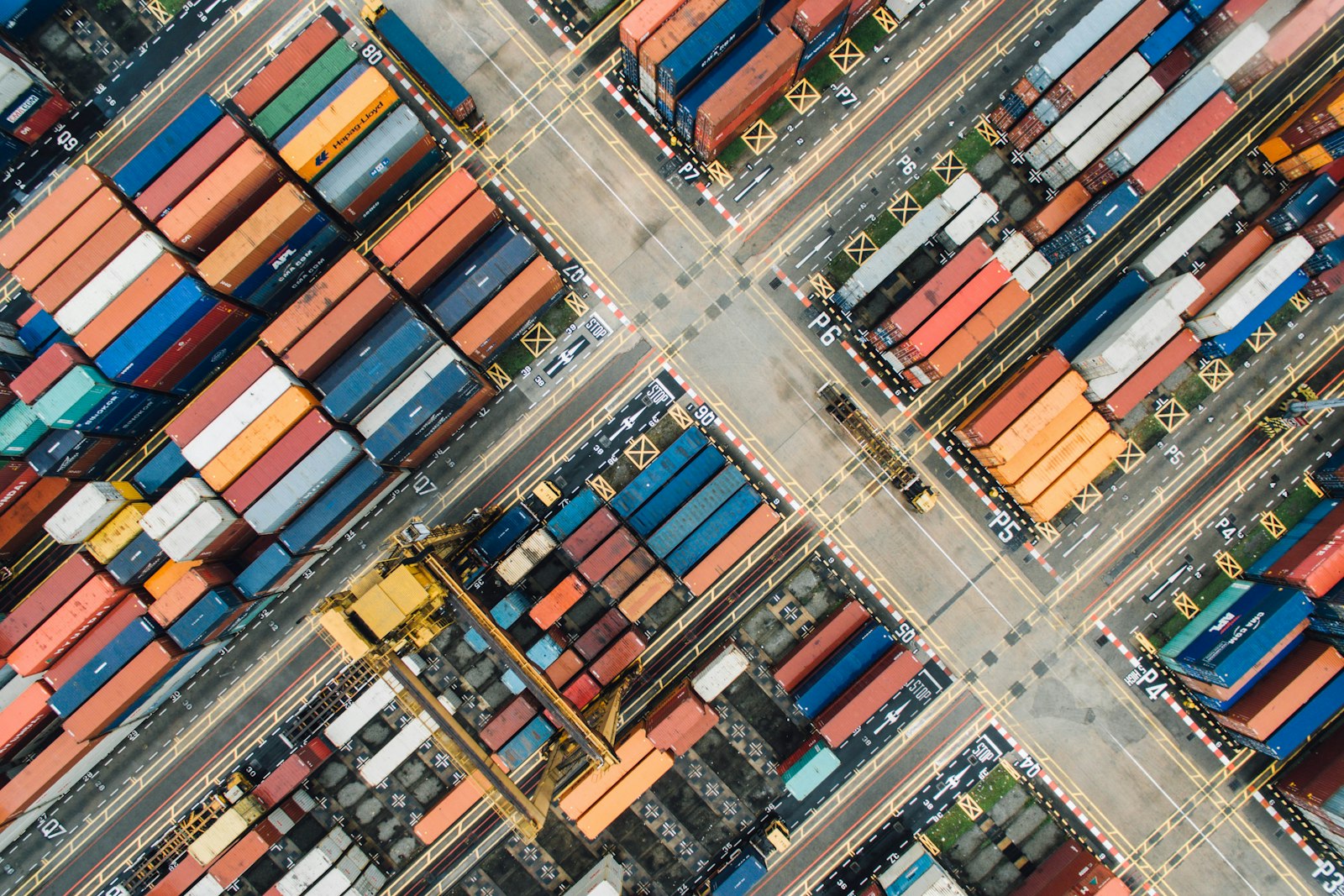
The coconut bowl sea freight timeline to Australia covers the full calendar from Indonesian production floor to your Sydney or Melbourne warehouse — and the single biggest variable that makes this lane different from the US or EU routes is not distance. It is biosecurity. Indonesia to Australia is geographically among the shortest major container lanes in the Pacific, which means ocean transit is generally quicker than what importers face on the US West Coast or European routes. That shorter port-to-port window is real, and buyers should absolutely plan around it. But the Australian Border Force and the Department of Agriculture, Fisheries and Forestry operate some of the world’s most stringent biological security controls on natural plant-material goods, and coconut shell — a product made from the endocarp of a tree drupe — is exactly the kind of material that can attract close attention at the border. Understanding that before your first shipment arrives is considerably cheaper than discovering it after the container is sitting in quarantine at Port Botany.
This guide is written for Australian importers who have already reviewed the basics of FOB pricing and Indonesian export logistics — if you are new to those topics, start with our export and Incoterms guide — and want a realistic, unvarnished estimate of what the end-to-end timeline actually looks like on the Australia lane. Timings here are estimates based on general shipping-lane knowledge and publicly available information about standard sea freight routing. They are not guarantees, and they will shift with carrier schedules, port congestion, and seasonal demand. Biosecurity, customs classification, and import requirements must be verified with your own licensed customs broker and with the relevant Australian authority — the Department of Agriculture, Fisheries and Forestry (DAFF). Nothing on this page is compliance advice.
Why the Australia Lane Is Distinct
Three things set the Indonesia–Australia container route apart from the other coconut bowl freight lanes described on this site.
First, the geography genuinely helps. Bali and Java sit roughly 3,000 to 4,000 kilometres from the Australian coast — a fraction of the distance to Rotterdam or Los Angeles. Ships running regular liner service on this lane do not need the extended transhipment hops that characterise the US East Coast or transatlantic routes. Port-to-port FCL transit on the Indonesia–Australia lane is generally estimated at around two to three weeks for the main leg, shorter than the three to four weeks to the US West Coast and significantly shorter than the four to six weeks to Northern European ports. Get a live rate and transit estimate from your freight forwarder — carrier schedules vary, and there are fewer departures per week on this lane than on high-volume trans-Pacific or Suez routes, so sailing frequency affects your flexibility.
Second, the biosecurity environment is genuinely stricter. Australia’s geographic isolation has made the country exceptionally protective of its agricultural and ecological systems. Plant-based goods, wood, natural fibres, and agricultural by-products all attract mandatory biosecurity declarations on import, and many attract inspection, treatment, or permit requirements. Coconut shell falls squarely in the category of natural plant material. Whether a specific shipment of finished coconut bowls triggers a treatment requirement depends on factors including the condition of the goods, the type of packaging used, and how the goods are described and documented. This is not something to guess. Your customs broker and DAFF are the authorities.
Third, the lane is less transactional than the US or EU routes for this product category. Fewer freight consolidators specialise in Indonesia-to-Australia movements for natural goods importers, which can mean less competitive LCL pricing and fewer departure options per week than on higher-volume routes. Plan lead times with more schedule buffer than you might for a trans-Pacific booking.
Port-to-Port Transit: Indonesia to Sydney and Melbourne
The main Australian container ports receiving cargo from Indonesia are Sydney (Port Botany) and Melbourne (Webb Dock / East Swanson Dock), with Brisbane a secondary option for Queensland-based importers. On the Indonesian side, coconut bowl exporters typically ship from Tanjung Perak (Surabaya), Tanjung Emas (Semarang), Tanjung Priok (Jakarta), or Benoa (Denpasar, Bali) — the four major export gateways for Javanese and Balinese handicraft and agricultural products. These are general port-knowledge references; your supplier’s freight forwarder will confirm which port pairs are active on their regular service.
Port-to-port FCL transit on the Indonesia–Australia lane is generally estimated in the range of two to three weeks for direct or near-direct service. That is a meaningful advantage over the US and EU lanes. It is also a general expectation, not a guaranteed sailing time — actual schedules depend on the carrier, routing, and whether your shipment tranships at an intermediate hub such as Singapore or Port Klang. Ask your forwarder for current sailing schedules and transit time commitments on the specific port pair you are booking before planning your inventory calendar around any estimate.
| Stage | Estimated Duration | Notes |
|---|---|---|
| Port-to-port FCL (Indonesia → Sydney/Melbourne) | ~2–3 weeks | General lane estimate; confirm with forwarder. Fewer sailings per week than trans-Pacific — sailing frequency affects booking flexibility. |
| Container stuffing & origin port handling | ~3–7 days | Packing, container loading, booking cutoff to departure — varies by port and forwarder. |
| Australian biosecurity inspection | Variable — see section below | Natural plant material can trigger inspection, treatment, or hold. Do not treat this as zero time in your plan. |
| Australian Customs clearance | 1–3 business days (standard) | Longer if biosecurity hold, additional documentation requested, or duty assessment queried. |
| Inland delivery to warehouse (Sydney/Melbourne) | 1–3 business days | Depends on port congestion and delivery address. |
Adding realistic buffer across those stages, a reasonable planning figure for port-to-port plus all destination-side handling is approximately three to five weeks from vessel departure to goods in your warehouse, with the lower end applicable if biosecurity clearance is routine and the upper end reflecting a hold or additional inspection requirement. That range is an estimate for planning purposes, not a forwarder’s transit guarantee — your customs broker and freight forwarder are the sources to rely on for an actual commitment on your specific shipment.
Compare that to the US or EU lanes: Indonesia to the US West Coast runs approximately three to four weeks port-to-port, adding one to two weeks door-to-door. Indonesia to EU (Rotterdam or Hamburg) runs approximately four to six weeks port-to-port with similar add-ons. The Australia lane’s shorter ocean leg is a genuine advantage for buyers in the Australian and New Zealand markets, as long as the biosecurity variable is planned for rather than ignored.
Biosecurity for Natural Plant-Material Goods: What Australian Importers Must Know
This section carries a plain disclaimer at the outset: biosecurity requirements are determined by Australian law and administered by DAFF. Requirements change. The correct source of compliance information is your licensed customs broker and the DAFF Biosecurity Import Conditions (BICON) database, not this page. What follows is general orientation, not import advice.
Australia applies a biosecurity risk assessment to goods entering the country, and natural plant products — including dried plant material, shells, seeds, straw, and untreated wood — attract higher scrutiny than manufactured goods with no plant-material content. Coconut shell is the endocarp of the coconut palm (Cocos nucifera), a plant product. Finished coconut bowls are manufactured articles, which changes the assessment compared to raw shell, but the material composition remains relevant to biosecurity officers during inspection.
ISPM-15 Pallets and Wooden Packaging
If your coconut bowl shipment is loaded onto wooden pallets or uses wooden crating, Australian biosecurity rules require that the wood packaging comply with ISPM-15 — the International Standards for Phytosanitary Measures No. 15, which governs the treatment of wood packaging material used in international trade. Non-compliant wooden packaging can result in the goods being held, the packaging treated at the importer’s cost, or in some cases the goods being re-exported or destroyed. This applies to the wood packaging, not to the coconut shell product itself, but it is a routine failure point for importers who do not explicitly check that their Indonesian supplier is using ISPM-15 certified pallets and crating.
Ask your supplier directly: are your export pallets ISPM-15 heat-treated and stamped? Request documentation. If you are booking LCL (less-than-container-load), the consolidator’s pallets will also need to comply. Your freight forwarder should confirm this as part of the booking, but it is your responsibility as the importer to ensure compliance — do not assume it is automatic.
Cleanliness and Soil or Organic Contamination
Biosecurity officers can inspect arriving goods for the presence of soil, organic debris, insects, or other biological material. Coconut shell products that arrive with residual organic material — shell fragments, coir fibres, traces of coconut meat or dried organic residue in the interior or on the exterior surface — can attract treatment requirements or further inspection. Well-produced, properly finished coconut bowls from reputable Indonesian exporters should not carry significant contamination risk, but this is not something to assume. Ask your supplier about their pre-export cleaning and inspection process for shells used in the bowl production. Residual material that a production facility considers insignificant may be treated differently by a biosecurity officer at Port Botany.
Possible Fumigation Requirements
Depending on the biosecurity risk assessment of your specific goods — their material composition, country of origin, packaging, and how they are declared — Australian biosecurity may require fumigation treatment before release. Methyl bromide fumigation is one common treatment method, though alternative treatments exist. Fumigation adds cost and time to clearance: the treatment itself, monitoring time, and airing-out period before the goods can be accessed. Whether fumigation applies to your specific coconut bowl shipment is a determination made by DAFF, not a predictable fixed outcome for all shipments. Your customs broker will advise based on current BICON conditions for your declared goods.
Import Permits
Some categories of plant-based goods require an import permit before they can enter Australia. Whether finished coconut shell bowls require an import permit under current Australian biosecurity legislation — as opposed to a declaration and inspection — depends on the specific goods description and the current BICON conditions. This is a question your customs broker should answer before your first shipment departs Indonesia, not after it arrives at the port. An import permit application takes time. Build that time into your pre-order planning if your broker advises a permit is required.
Documentation Your Supplier Should Provide
Accurate and thorough documentation reduces biosecurity-related delays. For a coconut bowl shipment to Australia, useful documentation from your Indonesian supplier includes:
- Commercial invoice and packing list describing the goods accurately — material (coconut shell), finish type, and intended use (tableware or decorative article)
- Phytosanitary certificate, if applicable — issued by Indonesian plant health authorities; ask your customs broker whether this is required for your goods
- ISPM-15 compliance documentation for any wooden packaging material or pallets
- Certificate of origin (Surat Keterangan Asal) if you are seeking preferential tariff treatment under any applicable trade arrangement between Indonesia and Australia
- Any supplier declaration of the finishing materials used — relevant if biosecurity officers have questions about coatings or surface treatments on the shell
None of these documents guarantee biosecurity clearance. They give your customs broker the information to present an accurate declaration and reduce the chance of a hold caused by unclear or inconsistent paperwork. Planning conversations with your broker and your Indonesian supplier about documentation requirements should happen before the order is placed, not at the booking stage.
For the customs classification question — whether your coconut bowls will be assessed as HS 4419 (wooden tableware, though coconut shell is not technically wood) or HS 1404 (vegetable products) — the same advice applies: confirm with a licensed customs broker before shipment. The classification affects the duty rate. For a broader treatment of the HS classification question, see our export and Incoterms guide.
If you want to connect with a verified Indonesian exporter who has experience with Australian import requirements, our enquiry form or WhatsApp 6281139414563 is the quickest route to a curated referral. No one can pay us to change what we publish; if you proceed with a partner from our desk, they may pay us a referral fee at no extra cost to you.
The Full Time-to-Shelf Chain
Sea freight transit is one segment of a longer chain. Australian importers placing their first container order from an Indonesian coconut bowl producer need to add production time, sample approval, and all the destination-side handling described above to get a realistic date for when goods will be available in their warehouse.
| Stage | Typical Duration (estimate) | Flags |
|---|---|---|
| Pre-production sample (if required) | 1–2 weeks production + shipping time | Recommend for first orders; sample approval before mass production avoids costly mistakes |
| Sample approval and sign-off | 1–2 weeks | Depends on buyer review speed; slow sign-off delays production start |
| Production — standard order (100–2,000 pcs) | ~15–30 days | Supplier-reported estimate; confirm in pro-forma invoice |
| Production — custom/branded (large or complex) | ~30–60 days | Hand-painting, laser engraving, bespoke packaging each add time |
| Container stuffing and origin port handling | ~3–7 days | Includes booking cutoff lead time |
| Port-to-port ocean transit | ~2–3 weeks | General lane estimate; get live sailing schedule from forwarder |
| Australian biosecurity, customs and port handling | 1 week (routine) to 3+ weeks (if hold or treatment) | Biosecurity is the main variable — do not plan to zero |
| Inland delivery | 1–3 business days | Port to warehouse; depends on location |
Working through that chain for a first order with sample approval and a standard production run:
- Sample production and approval: 3–4 weeks
- Mass production: 3–4 weeks
- Container stuffing and transit: 3–4 weeks
- Biosecurity, customs and delivery: 1–3 weeks
Total: roughly 10 to 15 weeks from first contact to goods in your Australian warehouse, on a first order with sample approval. That is a realistic planning number, not a worst-case scenario. Buyers who plan for 10 weeks and then encounter a biosecurity hold on week eight will find themselves short of stock at the wrong moment. Build a buffer.
Repeat orders are faster. Once you have an approved sample specification and an established relationship with a supplier who knows your packing and documentation requirements, production can start without a sample cycle and lead time drops accordingly. Still allow for the ocean transit and destination-side handling — those do not compress with familiarity.
LCL vs FCL for the Australian Market
Less-than-container-load (LCL) shipments are practical for early test orders and moderate re-order quantities. For buyers starting out — say, 500 to 2,000 bowls — LCL lets you move goods without committing to a full container. The freight cost per cubic metre is higher than FCL, and the consolidated cargo moves on the consolidator’s departure schedule rather than your own booking. On a lane with fewer departures per week than trans-Pacific, that schedule dependency can add days of waiting for the right sailing. LCL shipments also go through the same biosecurity and customs process as FCL; the inspection does not get skipped because your bowls are sharing a container with someone else’s cargo.
The FCL breakeven for coconut bowls — the point at which a full 20-foot container costs less per unit than LCL — typically falls somewhere in the 10 to 15 CBM range of actual cargo, which for nested bulk-packed 12 cm bowls translates to roughly 10,000 to 20,000 pieces. At that volume, a 20-foot container gives you better freight cost per unit, full control over loading and scheduling, and a cleaner biosecurity declaration covering your goods only. Ask your forwarder to quote both options for your planned order size; the numbers shift with current market rates, and the comparison changes significantly if your bowls are individually retail-boxed rather than nested bulk, since retail boxes cut container fill by approximately 30 to 50 percent.
Container capacity estimates for reference: a 20-foot standard container holds approximately 30,000 to 45,000 nested bulk-packed bowls at around 12 cm diameter; a 40-foot high cube holds approximately 70,000 to 100,000. Individually retail-boxed units — with kraft sleeves, gift boxes, or fitted inserts — reduce those figures by roughly a third to half. These are engineering estimates based on standard container internal volumes; your supplier’s carton packing plan is the document to rely on for your specific product. [VERIFY with supplier]
Seasonal Pressure and Buffer Planning
Two seasonal factors affect the Indonesia–Australia coconut bowl supply chain and both deserve specific attention.
Pre-Christmas and peak café season demand: Australian café owners and specialty homeware retailers building stock for the October–December trading peak need goods landed and warehoused by early October at the latest. Working back through the full chain — production, transit, biosecurity, customs — a first-order importer targeting October stock needs to place their order and finalise supplier selection by June or July at the latest. That is not margin for comfort; it is the arithmetic of a 12 to 15-week first-order pipeline. Buyers who start their supplier conversations in September and expect October stock are consistently disappointed.
Chinese New Year production shutdowns: Indonesian producers in Bali and Java do not observe Chinese New Year shutdowns to the same extent as Chinese manufacturers, but many Indonesian export-oriented workshops slow down or close for the Lebaran (Eid al-Fitr) holiday period, which falls in the Islamic lunar calendar and moves each year relative to the Gregorian calendar. The shutdown period typically runs one to two weeks, with a slower ramp-up afterward. If your order production window overlaps with Lebaran, build explicit allowance into the production lead time — confirm the specific dates with your supplier before locking down a delivery schedule.
Peak container demand on the Indonesia–Australia lane around major Australian retail seasons can also affect freight rate availability and sailing schedules. Booking well in advance of your required sailing date is good practice on a lane with fewer weekly departures than the major trans-Pacific routes.
How the Australia Lane Fits Into the Freight Picture
For completeness, here is how the Australia lane compares to the other major routes covered in this freight series. All transit figures are port-to-port FCL estimates — general lane knowledge, not forwarder guarantees. Add the +1–2 weeks door-to-door allowance for each, and note that Australia adds the biosecurity variable that the other lanes do not carry to the same degree.
| Destination | Port-to-Port FCL (estimate) | Distinguishing Variable |
|---|---|---|
| Australia (Sydney / Melbourne) | ~2–3 weeks | Biosecurity: natural plant-material inspection, possible fumigation, ISPM-15 pallet compliance |
| US West Coast (LA / Long Beach) | ~3–4 weeks | FDA food-contact documentation; FBA compliance if Amazon-destined |
| US East Coast (NY / Savannah) | ~5–7 weeks | Suez or Panama Canal routing adds time; same FDA framework as West Coast |
| EU (Rotterdam / Hamburg) | ~4–6 weeks | EU food-contact regulation (EC 1935/2004), LFGB certification common requirement |
The Australia lane’s short transit is a genuine operational advantage that importers in this market can build into their planning. The biosecurity layer is the price of entry and needs to be managed, not wished away. Build the documentation right, use an experienced customs broker, and the lane is entirely workable. For buyers who have already read our US freight timeline or EU freight timeline, the Australia lane will feel more straightforward on the transit side — and more specific on the compliance side.
The moisture and mold-in-transit risk covered in our moisture and mold guide is relevant to all lanes, but it is worth flagging here for Australia buyers: if a biosecurity inspection finds moisture-compromised goods with mold or organic residue, clearance complications compound. Ensuring your Indonesian supplier ships properly dried and sealed bowls is not just a quality issue — it matters for biosecurity clearance.
Getting a Real Freight Quote for the Australia Lane
The estimates in this guide give you a framework for planning conversations with your freight forwarder and customs broker. They will not substitute for a live FCL or LCL rate from a carrier, a sailing schedule with actual departure dates, or a BICON-based biosecurity assessment of your specific goods.
Before you request freight quotes, gather the information that forwarders need: your goods description (finished coconut shell bowls, plain or lacquered, for food or decorative use), the origin port or closest supplier location, your destination port (Sydney, Melbourne, or Brisbane), your estimated cargo volume in CBM or container type, and your target delivery date. With those inputs, a competent forwarder can give you a realistic freight rate, a sailing schedule, and a transit time estimate that is specific to your booking rather than a generic range.
For a sourcing connection to verified Indonesian coconut bowl exporters who understand Australian import requirements, our enquiry form is the starting point. Or reach us directly on WhatsApp 6281139414563 or at [email protected]. We route qualified RFQs to vetted producers and disclose openly that if you proceed with a partner from our desk, they may pay us a referral fee at no extra cost to you.
Frequently Asked Questions
How long does sea freight from Indonesia to Australia take for coconut bowls?
Port-to-port FCL transit on the Indonesia–Australia lane is generally estimated at around two to three weeks — shorter than the US West Coast (three to four weeks) or EU (four to six weeks) routes. However, total time from vessel departure to goods in your Australian warehouse is typically three to five weeks once you include container stuffing at origin, biosecurity inspection, customs clearance, and inland delivery. If a biosecurity hold or treatment requirement is triggered, clearance time can extend significantly beyond that range. Get a confirmed transit time from your freight forwarder for your specific port pair and sailing.
Do coconut bowls face biosecurity inspection when imported into Australia?
Coconut shell is a natural plant material, and Australia applies biosecurity controls to natural plant-based goods at the border. Finished coconut bowls may attract biosecurity inspection, and depending on the condition of the goods, their packaging, and the results of any inspection, treatment such as fumigation may be required. Whether a specific shipment requires an import permit, phytosanitary certificate, or treatment is determined by the Department of Agriculture, Fisheries and Forestry (DAFF) and the current BICON import conditions for your declared goods. Verify requirements with a licensed customs broker before your shipment departs Indonesia — not after it arrives at Port Botany or Webb Dock.
What is ISPM-15 and why does it matter for my coconut bowl shipment to Australia?
ISPM-15 (International Standards for Phytosanitary Measures No. 15) is the international standard governing the treatment of wood packaging material — pallets, crates, and dunnage — used in international trade. Australia requires that wooden packaging arriving with imported goods be ISPM-15 heat-treated and stamped. Non-compliant wooden packaging can cause your shipment to be held at the Australian border for treatment or re-export. Ask your Indonesian supplier explicitly whether their export pallets are ISPM-15 compliant, and request documentation. If you are shipping LCL, confirm the consolidator’s pallets also comply.
How far in advance should an Australian importer order coconut bowls for the Christmas season?
Working back through a realistic first-order pipeline — sample approval (three to four weeks), production (three to four weeks), sea freight and destination handling (four to six weeks including biosecurity and customs) — you need to place your order at least 12 to 15 weeks before your required warehouse date. For goods needed in early October for the Christmas retail season, that means placing orders and finalising supplier selection by June or July. Importers who start the process in September routinely find they cannot make the season. Repeat orders with an established supplier and no sample cycle can compress this, but still plan for eight to ten weeks minimum.
What HS code applies to coconut bowls imported into Australia?
Two headings are most often discussed: HS 4419 (wooden tableware and kitchenware) and HS 1404 (miscellaneous vegetable products). The complication is that coconut shell is not technically wood — it is the endocarp of a fruit — so HS 4419 is not automatically correct, though it is applied by analogy in many markets. The correct classification for your specific goods depends on their composition, finish, the Australian Customs Tariff Schedule, and potentially a ruling from the Australian Border Force. Misclassification is the importer’s liability and affects the duty rate applied. Confirm the classification with a licensed customs broker in Australia before your first shipment — this is general information to guide your questions, not customs advice.